
You may spend five or more years studying medicine, work hard to earn your MBBS degree, and still find yourself asking a difficult question: What should I do next? Do you know even today 50% of students participating in NeetPG Counseling round are deciding next 30 years of their career based on instant decision during counseling round of available seats or influence by coaching classes faculties.
Should you pursue postgraduate training in India? Prepare for USMLE? Explore the UK pathway? Consider Australia? Build a research profile? Or explore opportunities beyond conventional clinical practice?These choices can influence years of preparation, substantial financial investments and your professional future.Yet many medical students begin career planning only when they approach graduation, often relying on friends, social media influencers, coaching advertisements or advice from people whose circumstances differ from their own.
Career coaching for MBBS students helps bridge the gap between earning a medical degree and building a sustainable professional career. It provides a structured way to explore opportunities, understand potential risks and prepare for the next stage of medical training.
MBBS Is the Beginning of Your Career, Not the Entire Plan
Medical education prepares you to become a doctor. Building a fulfilling career, however, requires additional decisions about specialisation, licensing, clinical experience, research, postgraduate education and professional development.For students considering international opportunities, the complexity increases. Each country has its own licensing requirements, training structures, eligibility criteria and employment realities.A pathway that worked for a senior or friend may not be suitable for you. Requirements change, competition evolves and individual circumstances differ.
MBBS career guidance helps you assess your interests, academic profile, financial resources, preferred country of practice and long-term ambitions. Rather than following a popular pathway simply because others are pursuing it, you can evaluate the alternatives against your own priorities.
Meet Chirag Khutia: A Career Coach Focused on Medical Career Planning
Chirag Khutia, founder of ConsultCK, brings extensive experience in international education and medical career guidance. His professional journey includes experience associated with organisations such as Kaplan and Becker Healthcare, as described in his official professional profile. Through his work with medical students and graduates, he focuses on helping individuals understand the realities of international medical education and the opportunities available beyond their MBBS degree.
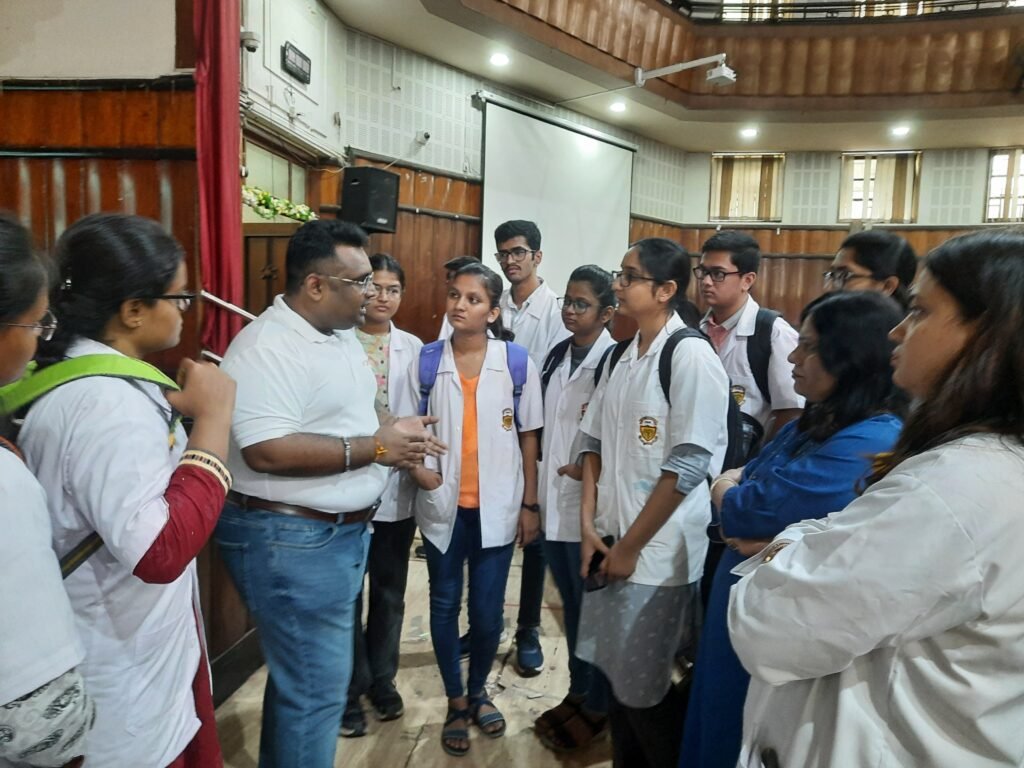
His approach centres on a practical principle: students should understand the requirements, limitations and long-term implications of a career pathway before committing significant time and resources to it.Rather than promoting a single examination or destination as the answer for everyone, career coaching helps students identify options that align with their individual circumstances.
From UK IMG Saturation to Policy Changes: Why Anticipating Trends Matters
One important lesson in international medical career planning is that a pathway that appears attractive today may become more competitive or change significantly tomorrow.
In 2025, Chirag Khutia raised concerns about saturation and increasing competition affecting Indian medical graduates pursuing opportunities in the UK. His LinkedIn post on the UK IMG pathway illustrates the importance of examining long-term prospects rather than relying solely on historical success stories.Developments in 2026 reinforce this lesson. The UK’s Medical Training (Prioritisation) Act 2026 introduced prioritisation arrangements for eligible applicants to foundation and specialty training. Additional regulations concerning specialty training prioritisation are scheduled to come into force on 1 January 2027.
These changes have implications for international medical graduates, although their effects depend on individual circumstances, immigration status, qualifications and the applicable rules.The lesson is not that students should abandon the UK pathway. It is that they should examine current eligibility requirements, competition and policy developments before making major commitments.
A student considering the UK might also compare postgraduate training in India, the US residency pathway, Australia and other suitable options. Understanding the alternatives creates flexibility if circumstances change.
MBBS Abroad: Why Choosing a University Requires More Than an Admission Offer
For students considering MBBS abroad, the admission decision can shape their professional options for years. An attractive fee structure, an agent’s assurances or a university’s marketing presentation should never replace independent verification.
Before choosing a medical university in Russia, Georgia, Kyrgyzstan, the Philippines or another destination, students should carefully examine:
- Regulatory compliance: Whether the course meets applicable National Medical Commission requirements, including the Foreign Medical Graduate Licentiate Regulations, 2021, where relevant.
- Course structure: Duration, curriculum, internship or clinical training arrangements, and medium of instruction.
- Clinical exposure: Hospital access, patient interaction, supervision and opportunities to develop practical skills.
- Licensing requirements: Whether the qualification and training satisfy the requirements of the country where the student intends to practise.
- Financial implications: Tuition, living costs, travel, examination fees and potential additional expenses if the original plan changes.
The NMC has issued advisories highlighting concerns about foreign medical institutions whose course duration, curriculum or training arrangements may not comply with applicable requirements.This does not mean every foreign medical university offers poor education. It means students must evaluate individual institutions and programmes carefully.
For those already studying abroad, career counselling can help identify potential gaps, clarify licensing expectations and organise the steps needed before graduation.
Why First-Year MBBS Is the Right Time to Start Career Planning
Many students believe career planning should begin during internship. In reality, starting earlier provides more time to explore options and develop a suitable profile.Students do not need to commit to a particular country or specialisation in their first year. They need to understand the possibilities and recognise which decisions require early preparation.
Career coaching at this stage can help them:
- Explore Indian postgraduate pathways and international licensing options.
- Understand USMLE, UK licensing pathways and AMC requirements at an appropriate stage.
- Build clinical, communication, research and professional skills progressively.
- Plan relevant electives, observerships and research experiences.
- Develop realistic timelines and budgets.
- Recognise misleading opportunities and questionable claims.
- Maintain backup options as regulations and personal goals evolve.
A first-year student does not need to have every career decision figured out immediately. The priority is to establish a foundation and revisit the plan as academic progress, interests and professional opportunities develop.
USMLE, Clinical Rotations and Research: Avoid Costly Mistakes
For international medical graduates pursuing US residency, preparing for examinations is only one part of the journey. Applicants may also need to evaluate clinical experiences, research opportunities, professional networking, application strategy and interview preparation.
Unfortunately, students can encounter questionable offers involving clinical rotations, research positions, publications or residency application support. Some providers may make promises that cannot be reliably guaranteed.
Before paying for an opportunity, ask:
- Is the organisation legitimate and independently verifiable?
- What exactly is included in the fee?
- Will the experience provide meaningful learning or research involvement?
- Are publication and authorship arrangements transparent?
- Are claims about residency interviews or Match outcomes realistic?
ConsultCK has addressed concerns about clinical rotation and research scams in this Instagram post.
The objective is not to discourage students from pursuing valuable experiences. It is to encourage due diligence before spending money or committing time. No career coach can guarantee a US residency Match, a publication, an interview or a licensing outcome. Students should understand the limits of any service and retain realistic expectations throughout the process.
Career Coaching vs. Coaching Classes: Understanding the Difference
The two serve different purposes.
Examination coaching primarily focuses on subject knowledge, examination strategies, practice questions and assessment performance.
Career coaching focuses on choosing a professional direction, understanding its requirements, evaluating its suitability and organising the steps needed to pursue it.
For example, a student considering US residency may need to assess whether the pathway aligns with their academic profile, budget, timeline and long-term ambitions before investing heavily in examination preparation. Similarly, a student considering the UK needs to understand licensing requirements alongside training opportunities, competition and current policy developments.
Neither service automatically replaces the other. Students need examination coaching as well as they need career counselling in todays age of geopolitical turmoil and AI advancements.
How ConsultCK’s Global Career Coaching Program Can Help
ConsultCK’s Global Medical Career Coaching Program supports medical students, interns and doctors exploring Indian and international career opportunities.
The programme describes support in areas including specialisation discovery, personalised counselling, research and course recommendations, CV guidance, LinkedIn profile development, milestone planning and global career exploration. The emphasis is on developing a roadmap that reflects the individual’s interests, stage of training and professional ambitions.
For a first-year student, this may mean exploring different career pathways and identifying skills to develop. For an intern, it may involve comparing postgraduate options and planning applications. For an IMG, it may mean evaluating licensing requirements, international opportunities or alternative career directions.
ConsultCK also engages with medical students through institutional visits and career guidance activities. Its gallery of medical college visits and career guidance sessions offers a glimpse of this engagement.The aim is to help students connect their current circumstances with practical next steps, rather than leaving major career decisions until the last moment.
Your Medical Career Deserves a Plan, Not a Guess
Do not choose a pathway simply because your friends are pursuing it. Do not commit substantial money because an advertisement promises an exceptional outcome. And do not assume that yesterday’s opportunities will remain unchanged throughout your career.
Explore your options, question unrealistic promises and build a plan that reflects your own goals.
At ConsultCK, the focus is on helping medical students and doctors navigate their professional journeys with greater direction and realistic expectations.
Start with clarity. Build your career with purpose.
If you are an MBBS student, intern, graduate or international medical graduate unsure about your next step, consider beginning with a conversation.
Book a free initial counselling session with ConsultCK and explore the career options that may be right for you.
Frequently Asked Questions
1. When should an MBBS student start career coaching?
Ideally, students should begin exploring career options in the first year of MBBS. Early planning provides time to develop relevant skills and understand different pathways, although students at later stages can also benefit.
2. Is a career coach different from a USMLE or PLAB tutor?
Yes. A career coach helps evaluate professional pathways, goals, requirements and preparation strategies. An examination tutor primarily focuses on examination preparation. Some students may benefit from both.
3. Do students pursuing MBBS abroad also need career guidance?
Yes. They may need help understanding regulatory requirements, clinical training, licensing examinations and the steps required to practise in their intended country.
4. Can a career coach guarantee a residency Match or licensing success?
No. Outcomes depend on multiple factors, including eligibility, academic performance, examination results, experience, competition and applicable regulations. Career coaching supports planning but cannot guarantee a particular result.