Getting Into Medical College Was Just the Beginning. What Comes Next?
For most medical students in India, getting an MBBS seat is a dream come true. Years of preparation, competitive examinations, parental expectations and personal sacrifices finally lead to that moment. But something interesting happens once students enter medical college.
The questions don’t stop. They become more complicated.
- Am I doing enough beyond my MBBS curriculum?
- Should I start preparing for NEET PG or explore USMLE?
- Is pursuing postgraduate education in India better than going abroad?
- When should I start building my CV?
- How important are research publications, internships and clinical rotations?
- Should I explore clinical research, public health or healthcare management?
- What if I want to pursue residency in the USA?
- Am I making the right decisions at the right time?
- How do I balance academics, examinations, extracurricular activities and career preparation?
And perhaps the most important question:
“How do I know whether I am making the right career choices?”
Medical education provides students with the knowledge and clinical competencies required to become doctors. However, navigating the numerous career pathways available after and during MBBS requires an entirely different set of skills. This is where career coaching and mentorship become valuable. At ConsultCK, we believe that career planning should not begin in the final year of MBBS. It should be a continuous process that helps students understand their interests, explore opportunities, build relevant competencies and make informed decisions at every stage of medical education.
The Challenges Every MBBS Student Faces But Rarely Talks About
Medical students today have more career opportunities than previous generations. However, having more options doesn’t necessarily make decision-making easier. Let’s look at some of the most common challenges faced by MBBS students.
1. Managing Academics While Building a Competitive Profile
One of the biggest dilemmas for medical students is balancing their MBBS academics with activities that contribute to their future career prospects. Medical school is demanding. Students need to attend lectures, participate in clinical postings, prepare for internal assessments, clear professional examinations and develop clinical knowledge.
At the same time, they hear about:
- Research publications and case reports.
- Conference presentations and poster presentations.
- Clinical electives and observerships.
- Research internships.
- Volunteering and leadership activities.
- Medical certifications and skill development.
- Building an impressive CV.
The challenge is knowing what to pursue, when to pursue it and how much time to dedicate to each activity. Some students start collecting certificates without understanding their relevance. Others postpone profile building until their internship or graduation, only to realise that certain opportunities require years of preparation.
How Career Coaching Helps: A career coach helps students prioritise activities based on their long-term goals. Instead of doing everything, students learn to identify meaningful opportunities, create realistic timelines and balance academic performance with profile development.The objective is not to make a student unnecessarily busy. It is to help them invest their time strategically.
2. PG in India or Abroad: Which Path Should You Choose?
This is perhaps one of the most important crossroads in an Indian medical student’s career.After MBBS, students often find themselves comparing multiple postgraduate pathways.
Postgraduate education in India:
- NEET PG and INI-CET preparation.
- MD/MS and DNB pathways.
- Super-specialisation opportunities.
- Clinical training and career opportunities within India.
Postgraduate education abroad:
- USMLE and residency in the United States.
- PLAB and postgraduate opportunities in the United Kingdom.
- AMC pathway in Australia.
- Other international medical education and licensing pathways.
Each pathway has different eligibility requirements, examination structures, financial implications, training systems, timelines and long-term career opportunities. Students frequently make these decisions based on social media discussions, friends’ experiences, advertisements or incomplete information. For instance, a student might start preparing for USMLE without understanding the importance of US clinical experience, research exposure, recommendation letters, financial planning and residency application strategy. Another student might spend years preparing for NEET PG without exploring whether their interests and long-term aspirations align with other available pathways.
How Career Coaching Helps:
A career coach helps students evaluate their options objectively. At ConsultCK, the focus is on understanding the student’s academic background, interests, aspirations, financial considerations, risk appetite and long-term goals before discussing possible pathways. The intention is not to promote one country or examination over another. It is to help students identify the pathway that makes sense for them.
3. Understanding the USMLE Journey Beyond Examination Preparation
For students aspiring to pursue residency in the United States, clearing USMLE examinations is only one part of a much larger journey. Many students initially believe that passing the required examinations automatically puts them on the path to residency.
However, the journey involves several interconnected components:
- Understanding USMLE and ECFMG certification requirements.
- Identifying suitable clinical electives and rotations.
- Exploring research opportunities in the USA.
- Developing meaningful relationships with mentors.
- Building a competitive CV.
- Securing strong letters of recommendation.
- Understanding residency applications and program selection.
- Preparing for residency interviews.
- Developing a strategy for the Match process.
The challenge is that these activities need to be planned strategically, often years before applying for residency. Students who understand the bigger picture early can make more informed decisions about how to use their medical school years.
How Career Coaching Helps:
Students receive structured guidance on understanding the complete US residency pathway, identifying opportunities and planning their preparation. At ConsultCK, we look beyond examinations and focus on the broader career journey of an International Medical Graduate (IMG).
4. What Should You Do Beyond the MBBS Curriculum?
Medical education teaches you how to become a doctor. But professional success increasingly requires competencies that may not be adequately covered in the traditional medical curriculum.Students often ask: “What additional skills should I learn during MBBS?”
Here are some important areas worth exploring.
A. Research and Academic Skills
- Understanding medical literature.
- Evidence-based medicine.
- Research methodology.
- Biostatistics.
- Scientific writing.
- Literature reviews and systematic reviews.
- Research ethics and publication practices.
B. Communication Skills
- Effective patient communication.
- Professional email writing.
- Presentation and public speaking.
- Clinical communication.
- Interpersonal and cross-cultural communication.
- Interview preparation.
C. Digital and Technology Skills
- Medical informatics.
- Healthcare data analytics.
- Understanding artificial intelligence in healthcare.
- Digital health technologies.
- Basic spreadsheet and data management skills.
- Responsible use of AI tools in medical education and research.
D. Professional Development Skills
- Leadership and teamwork.
- Time management.
- Networking and professional relationship building.
- Critical thinking and problem-solving.
- CV development.
- Career planning and goal setting.
E. Global Healthcare Awareness
- Understanding international healthcare systems.
- Medical licensing pathways.
- Global health and public health.
- Healthcare ethics.
- Understanding cultural differences in clinical practice.
Students do not need to master every skill. The important thing is to identify which competencies are relevant to their chosen career pathway. A student planning for US residency may prioritise research exposure, clinical experience and professional communication. Someone interested in public health may explore epidemiology, biostatistics and health policy.
How Career Coaching Helps:
A career coach helps students distinguish between essential, useful and optional skills based on their aspirations. This prevents students from spending time and money on activities that may not contribute meaningfully to their goals.
5. Confusion About Specialities and Choosing the Right Medical Career
Many students enter MBBS with a limited understanding of the different medical specialities. Their exposure to various departments during clinical postings gradually introduces them to different fields. But choosing a speciality involves more than liking a particular subject.
Students need to consider:
- Clinical interests and aptitude.
- Nature of day-to-day work.
- Patient interaction and responsibilities.
- Work-life preferences.
- Length and intensity of training.
- Career opportunities.
- Future specialisation options.
- Geographic preferences and lifestyle considerations.
Should I choose Internal Medicine or Surgery? Is Radiology the right career for me? Should I explore Psychiatry, Dermatology, Paediatrics or Emergency Medicine? Would I enjoy a clinical speciality or prefer a non-clinical field? These are significant decisions, and students often struggle to find someone who can help them understand the implications of different choices.
How Career Coaching Helps:
Structured career discussions, self-assessment and speciality exploration can help students understand their interests, strengths and professional preferences. The goal is to help students make informed choices rather than simply follow trends or peer preferences.
6. Building a Strong CV Without Knowing What Actually Matters
A common misconception among medical students is that a good CV is simply a collection of certificates, internships and achievements. In reality, a strong medical CV should communicate a student’s academic background, professional interests, experiences, skills and contributions.
Students frequently struggle with questions such as:
- What should I include in my CV?
- How important are research publications?
- Should I pursue research internships?
- Are online certifications valuable?
- How do I present my extracurricular activities?
- How can I demonstrate leadership and commitment?
- How do I identify opportunities for clinical research?
The challenge is not simply building a CV. It is building a profile that reflects a coherent professional journey.
How Career Coaching Helps:
Through structured guidance, students can identify gaps in their profiles, understand relevant opportunities and work towards developing a meaningful CV over time. Instead of rushing to build a profile before an application deadline, students can develop it progressively throughout medical school.
7. Information Overload: Whom Should You Trust?
Today’s medical students have access to enormous amounts of information. YouTube, Instagram, Telegram groups, Reddit, webinars, educational consultants and online communities provide advice about almost every career pathway. While these platforms can be useful, they can also create confusion. One person recommends USMLE. Another recommends NEET PG. Someone else suggests research in the USA. A senior shares a successful residency Match story. But what worked for one student may not work for another.
Students often struggle to differentiate between:
- Verified information and personal opinions.
- Official requirements and outdated guidance.
- Genuine opportunities and misleading advertisements.
- Long-term career planning and short-term trends.
- Individual success stories and realistic expectations.
How Career Coaching Helps:
An experienced career coach helps students evaluate information, ask the right questions and identify reliable sources.At ConsultCK, we believe that career decisions should be based on facts, individual circumstances and realistic expectations not fear, peer pressure or promotional promises.
8. Parental Expectations, Peer Pressure and Fear of Making the Wrong Decision
Medical education is not just an academic journey. It is also an emotional and financial investment for students and their families. Parents naturally want their children to succeed. Students want to meet expectations, secure good postgraduate opportunities and build a rewarding career.
However, sometimes the expectations of parents, aspirations of students and opinions of peers do not align. Students may feel pressured to choose a speciality, country or career pathway without having enough time to understand their own preferences. The fear of making the wrong decision can lead to procrastination, anxiety and indecision.
How Career Coaching Helps:
Career coaching provides a structured environment where students can discuss their aspirations, concerns and uncertainties. It encourages independent thinking, realistic planning and informed conversations with parents. The objective is to help students take ownership of their career decisions.
Why Career Planning Should Begin During MBBS, Not After Graduation
One of the biggest mistakes students make is postponing career planning until their final year or internship. By then, they may have missed opportunities that could have been explored earlier.
Consider this:
| MBBS Stage | What Students Should Start Exploring |
|---|---|
| First Year | Understanding medical career pathways, developing study habits, communication and basic research awareness |
| Second Year | Exploring specialities, research methodology, academic activities and extracurricular interests |
| Third Year | Building research exposure, exploring international pathways, identifying clinical interests and developing a CV |
| Final Year | Making informed postgraduate decisions, planning examinations and strengthening the professional profile |
| Internship | Gaining clinical exposure, finalising career pathways, preparing applications and pursuing relevant opportunities |
| After MBBS | Executing the selected pathway, postgraduate applications, licensing examinations, research or other career opportunities |
This is a broad framework, not a rigid timeline. Students can begin at any stage. The important message is simple: Career planning should be proactive, not reactive.
What Does a Career Coach Actually Do for an MBBS Student?
A career coach is not someone who simply tells you which examination to take or which country to choose. A good career coach helps you understand yourself, explore possibilities, evaluate choices and develop an actionable roadmap.
For medical students, this can involve:
- Career Exploration: Understanding the different opportunities available after MBBS in India and internationally.
- Self-Assessment: Identifying interests, strengths, preferences and professional aspirations.
- Pathway Evaluation: Comparing postgraduate education in India, the USA, UK, Australia and other destinations.
- Profile Development: Identifying relevant opportunities for research, clinical exposure, leadership and professional development.
- Skill Development: Understanding the additional competencies required for different career pathways.
- Strategic Planning: Developing realistic timelines and milestones for career preparation.
- Decision Support: Evaluating important career crossroads using relevant information and individual circumstances.
- Accountability and Mentorship: Staying focused, reviewing progress and making adjustments as circumstances change.
A career coach does not make decisions on behalf of a student. The role is to equip students with the clarity, information and confidence to make those decisions themselves.
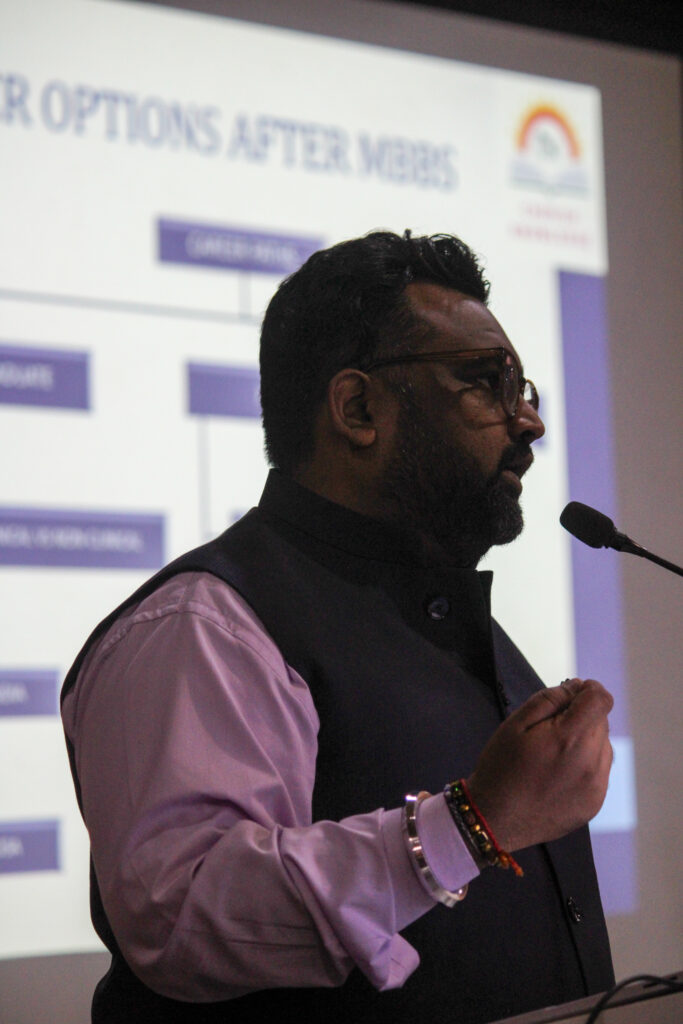
Meet Your Career Coach: Chirag Khutia – Founder of ConsultCK
Behind every successful career decision is often someone who helped ask the right questions at the right time. At ConsultCK, career coaching is driven by the experience and vision of Chirag Khutia, an experienced career coach specialising in international medical education and career guidance. With over 18 years of experience in the international education domain, Chirag has guided more than 50,000 students in exploring educational and career opportunities.His professional journey includes working with globally recognised organisations such as Kaplan and Becker Healthcare. Over the years, he has extensively travelled to the United States, engaged with the international medical education ecosystem and helped students understand the opportunities and challenges involved in pursuing medical careers abroad. He has also conducted career guidance sessions and seminars across more than 250 medical colleges in India. His experience working with medical students, international education providers and the broader medical education ecosystem has provided him with valuable insights into the questions, aspirations and challenges faced by aspiring doctors.
Why Does His Experience Matter?
Medical students don’t just need information. They need context. They need someone who understands that:
- Every student has a different academic background.
- Not every student should pursue USMLE.
- Not every student needs to go abroad.
- A good profile is built through consistent effort, not last-minute certificate collection.
- Career decisions must account for financial circumstances and personal aspirations.
- International medical pathways require realistic expectations and long-term preparation.
Chirag’s approach is centred on helping students understand their options before committing their time, effort and resources. At ConsultCK, the philosophy is simple : Don’t just prepare for the next examination. Prepare for the career you want to build.
How ConsultCK Helps You Navigate Your Medical Career
ConsultCK is a career guidance and mentorship initiative designed to help medical students and graduates explore opportunities, make informed decisions and navigate their professional journeys. We don’t position ourselves as another examination preparation company. Our focus is on the bigger picture: helping students understand the medical career ecosystem and develop a roadmap that aligns with their individual aspirations.
Through career coaching and mentorship, ConsultCK helps students with:
- Career counselling for MBBS students.
- Understanding postgraduate opportunities in India and abroad.
- Exploring USMLE, PLAB and AMC pathways.
- Understanding the US residency journey for International Medical Graduates.
- Research and clinical exposure opportunities.
- CV building and profile development.
- Career exploration and speciality selection.
- Understanding international medical education.
- Developing a structured career roadmap.
Whether you are a first-year MBBS student trying to understand the opportunities ahead, a third-year student exploring international medical careers, a final-year student deciding between NEET PG and USMLE, or an MBBS graduate planning the next step, having the right guidance can make the journey more structured and purposeful.
Career Compass: Your Hour of Clarity
Sometimes, you don’t need another webinar, another YouTube video or another opinion from a senior. You need an hour of meaningful conversation with someone who understands the medical career landscape. That’s the idea behind ConsultCK’s Career Compass: Your Hour of Clarity. It is an opportunity for students to discuss their career aspirations, uncertainties and challenges through a focused one-to-one career guidance session with Chirag Khutia.
The conversation can help you:
- Understand your current career position.
- Explore possible career pathways.
- Discuss PG options in India and abroad.
- Identify opportunities for profile development.
- Understand the next steps in your chosen pathway.
- Develop clarity about your short-term and long-term goals.
The objective is not to provide a one-size-fits-all solution. It is to help you leave the conversation with greater clarity about your options and what you should consider doing next.
A Message to Every MBBS Student
You spent years preparing to enter medical college. Now, you are investing another five to six years learning how to become a doctor. But have you spent enough time thinking about the kind of doctor you want to become? Medicine offers an incredible range of opportunities. You can build a career in clinical practice, pursue postgraduate specialisation, explore research, work in global healthcare, enter public health or discover emerging fields at the intersection of medicine and technology.
You don’t need to have all the answers today. You don’t need to follow what your friends are doing.And you certainly don’t need to make important decisions based on incomplete information. What you need is the willingness to explore, ask questions, understand your strengths and plan your journey.
Your MBBS degree gives you the foundation. Your career decisions shape your future. Make those decisions with clarity.
Ready to Take Charge of Your Medical Career?
Don’t wait until your final year or internship to start thinking about your future. Connect with Chirag Khutia and explore how ConsultCK can help you navigate your medical career with greater clarity and direction.
ConsultCK – Career Guidance for Medical Students.
Career Compass: Your Hour of Clarity
Website: https://consultck.in/counselnow/
Instagram: @consult2CK
LinkedIn: https://www.linkedin.com/in/chiragkhutia/
Your medical career deserves a plan. Let’s build it together.